
What I Stopped Explaining
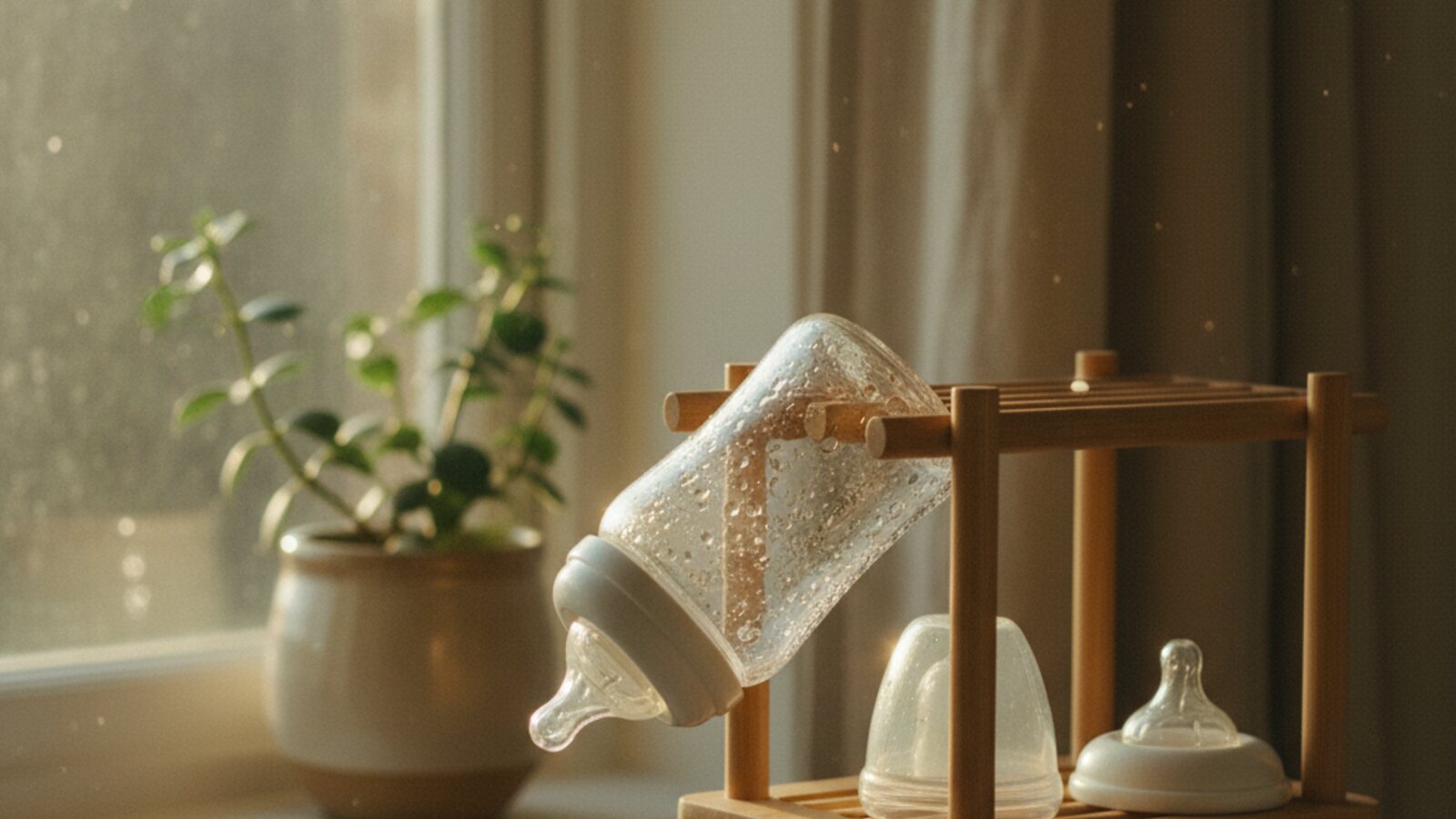
Every parent carries a speech. It’s the prepared statement, the two-minute case for a decision that was already made, already working, already over, and the speech stays loaded anyway, because somebody in a checkout line might request it. The sleep speech. The screen speech. The one-kid speech. The daycare speech. The going-back-to-work speech and the not-going-back speech, which are, remarkably, the same speech. We rehearse them in the shower for an audience of strangers who never deputized themselves, except once, in an elevator, and the speech has been on retainer ever since.
This series is about the day the speech gets retired. One parent per installment, one thing they have stopped explaining in public. Not stopped thinking about, and not stopped discussing with the people who earn a say: doctors, partners, eventually the kid. Just stopped performing for the general audience. Retirement, it turns out, is a precise act. You can name the decision, the day it ended, and what the freed-up sentence got spent on instead.
Installments will come from members, in their own words. This first one is a composite, assembled to show the shape of the thing. Here is the shape of the thing.
No. 1: The bottle
By eleven weeks postpartum I could deliver it in under ninety seconds, with citations.
The speech had a structure. Concession first: breastfeeding is a beautiful thing, I know, I read the same internet you did. Then the medical history, which was nobody’s business but arrived anyway, the supply that never came in, the weighted feeds, the lactation consultant who was kind and the second one who was not. Then the pivot to data. Then the closing image of my son, gaining weight, asleep in the crook of my arm, undeniably thriving, presented the way a defense attorney rests.
I gave the speech at a bris. I gave it to a woman at Costco who had asked nothing except whether I was done with the cart. I once gave a compressed version to a cashier so young he had plainly never considered infant feeding in his life and only wanted me to enter my PIN.
Nobody assigned me the speech. That took a year to see. Here is who was in the room when the decision got made: my son’s pediatrician, my husband, my mother on speakerphone in the way of mothers, and me. Here is who the speech was written for: everyone else. I had a decision vetted by every person entitled to a vote, and I kept campaigning after the election was certified.
The speech’s favorite fact gets a better job
Before the speech goes into storage, one thing it carried deserves daylight, because I was using it as a shield and it works better as a blanket.
When researchers compared siblings raised in the same families, one breastfed and one not, across 25 years of national data and eleven long-term childhood outcomes, the differences that look dramatic across the whole population shrank to almost nothing for ten of the eleven. Not because feeding doesn’t matter, but because much of what the big scary population numbers were measuring turned out to be the families, not the milk. The honest version of the feeding conversation is smaller and calmer than the public one. Both of my imagined courtrooms, the one prosecuting me and the one applauding me, were sitting in a far bigger trial than the evidence supports.
So the fact is reassigned. It is now a blanket, thrown over every feeding chair in the room: the exclusive pumpers, the combo feeders, the nursed-until-two, the formula-from-day-one, the ones who grieved a plan and the ones who never had one. It covers everybody. It was never a weapon.
The retirement
There was no ceremony. A woman at a first-birthday party watched me shake a bottle and said, oh, you didn’t nurse? I heard the old machinery start up in my chest, the concession, the medical file, the data. Instead I said, “Nope,” and asked if she had tried the cake.
It remains one of the great utterances of my life. Ninety seconds of prepared remarks, condensed to one syllable, with a plate of cake where the citations used to be. She blinked, tried the cake, and we spent ten minutes on her sister’s terrible boyfriend, which was a far better conversation than the one about my medical history was ever going to be.
What surprised me was the size of the refund. The speech had been a tax on every casual encounter, a background process running on the chance of an audit. Explaining is expensive. It bills by the ounce. When it stopped, the energy went somewhere visible: into the actual feedings, which were, once nobody was cross-examining them, twenty quiet minutes of a warm kid in my arms, four times a day, mine.
My son is four now. He eats sand at a rate I have chosen not to research. He does not know what a latch consult is and never will. Someday, if he asks how he was fed, he’ll get the whole story, told happily, because he is on the short list of people who earn one.
Everyone else gets the cake question. I recommend the cake question. There is almost always cake, and the person in front of you is almost always more interesting than your file.
The speech had a good run. Let the record show it was never once requested by the baby.
The rooms inside Gaux are full of parents who stopped explaining and started talking. If you’ve retired a speech of your own, installment No. 2 could be yours. Come inside.
Continue with the Family Journal and Gaux classes.
Walk this window with our experts.
Gaux experts teach small-group classes with real Q&A and replays included.
See the classesDr. Mona
Dr. Monateaches on Gaux, where experts share what they’ve learned from real practice with families.
Get expert advice in your inbox. No spam. No noise.
Fewer, better emails.