
Prepare Your Pelvic Floor for Birth: What Most Women Aren’t Taught
Learn why pelvic floor preparation matters for birth, what research suggests, and how prenatal movement and relaxation can support informed preparation.
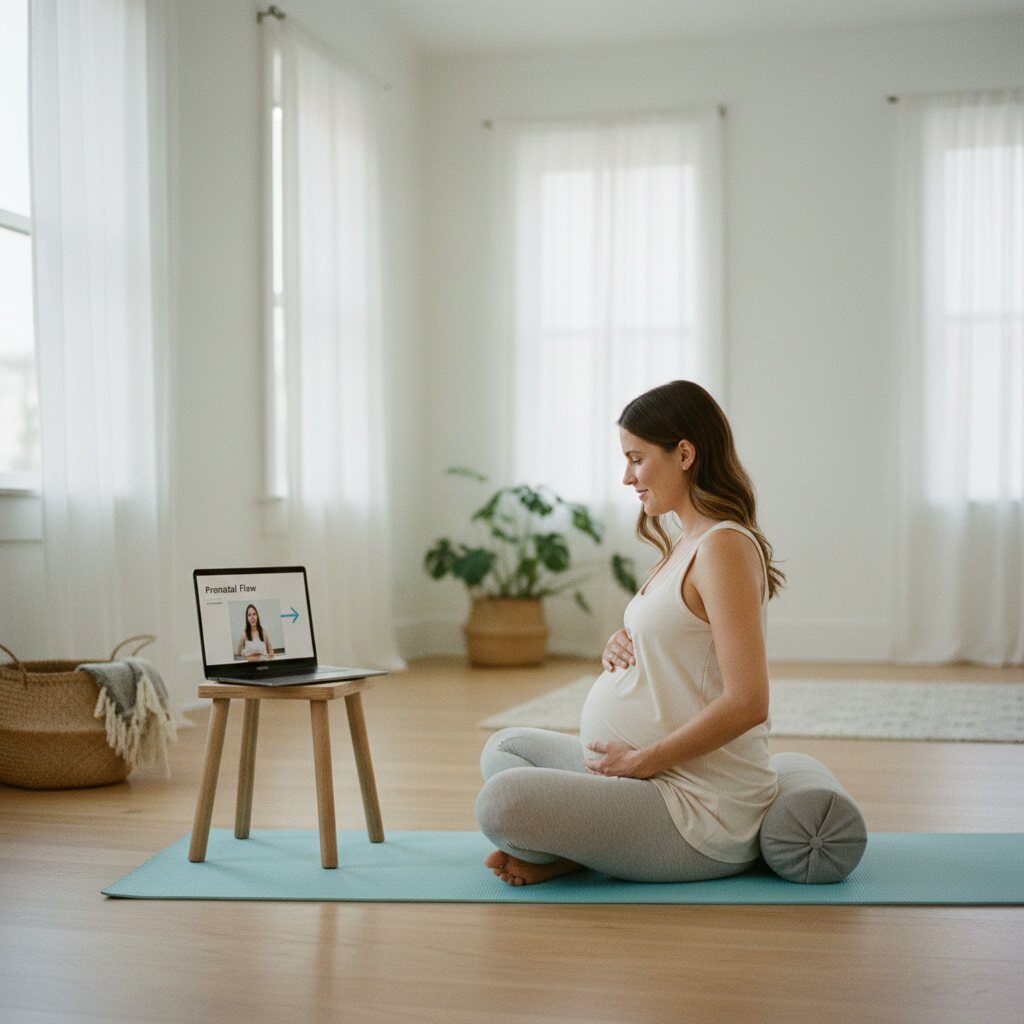
Preparing your pelvic floor for birth is one part of getting ready for your baby’s arrival. Many parents spend months preparing for their baby’s arrival. They attend childbirth classes, learn breathing techniques, do prenatal yoga, and make birth plans.
But one important part of birth preparation is often missing: learning how to prepare the pelvic floor muscles properly to withstand the forces they undergo during delivery.
Many women only hear about these muscles after birth—often when symptoms such as bladder leaks, pelvic pressure, or discomfort appear. By that point, the opportunity to help prevent some of these problems has already passed.
Why the Pelvic Floor Matters During Birth
The pelvic floor is a group of muscles that forms a supportive base at the bottom of the pelvis. These muscles help support pelvic organs and play a role in bladder, bowel, and sexual function.
During the pushing stage of labor, the pelvic floor muscles must relax and stretch—often by 200% to more than 300% of their original length—so the baby can move through the birth canal. These muscles also need to coordinate with breathing and abdominal pressure.
If the muscles are tight or poorly coordinated, they may have more difficulty stretching and relaxing during pushing, which can make it harder for the baby to move through the birth canal and place more stress on the pelvic floor tissues.
Preparing these muscles during pregnancy can help women better understand how they work and how to best support them during birth.
What Research Shows
Research suggests that certain types of pelvic floor preparation during pregnancy and delivery may help support safer births and easier recovery.
Some key findings include:
- Prenatal perineal massage may reduce the risk of severe perineal tears, especially for first-time mothers.
- Learning how to relax the pelvic floor while pushing may help the muscles stretch more effectively during delivery.
- Greater awareness and coordination of pelvic floor muscles may support a smoother second stage of labor.
- Protecting pelvic floor tissues during delivery may help reduce common postpartum problems such as bladder leaks.
Evidence supporting these approaches has been summarized in clinical guidance from the American College of Obstetricians and Gynecologists and research reviews published through Cochrane.
Why Many Women Aren’t Taught This
Most prenatal education focuses on labor positions, breathing techniques, and caring for the baby after birth. While these topics are important, the pelvic floor itself is often left out of these discussions.
Because these muscles are internal and not easy to see or feel, many women are never taught how they work or how they influence birth.
Pelvic floor health is also frequently discussed after delivery, when symptoms such as bladder leaks appear, rather than as part of birth preparation.
As a result, many women enter labor without understanding how to best support these muscles during delivery.
What Pelvic Floor Preparation Can Include
For some women, strengthening the pelvic floor is an important part of preparing the body during pregnancy.
But pelvic floor preparation is not just about strengthening exercises. In many cases, the focus is also on helping the muscles relax, lengthen, and coordinate effectively during birth.
Preparation may include:
- Creating a birth plan for the pelvic floor, including communicating with a partner, doula, or care provider about their role in helping protect these muscles
- Perineal massage to help tissues become more flexible and stretch more easily during delivery
- Learning how to actively relax the pelvic floor while pushing and coordinate breathing
- Pelvic floor strengthening exercises when appropriate
- Discussing supportive techniques during delivery, such as warm compresses, which may help reduce tearing
Preparation often begins around 34–35 weeks of pregnancy, when the body is getting closer to delivery.
Preparing for Birth and Recovery
Because pelvic floor preparation is rarely included in traditional prenatal classes, many women look for additional guidance.
Options such as pelvic floor physical therapy or structured prenatal education can help women better understand how these muscles work and how to better support them before delivery.
Programs such as Pregnant + Prepared teach women how to prepare the pelvic floor ahead of birth, protect it during delivery, and recover strength afterward.
Understanding how these muscles work—and how to support them—can help women enter labor with more confidence and build a stronger foundation for long-term pelvic health.
About the Author
Angela Fishman, PT, is a pelvic floor physical therapist with more than 20 years of experience helping women prepare their bodies for pregnancy, birth, and postpartum recovery. She is the founder of My Pelvic Therapy, a virtual pelvic health practice focused on prevention, recovery, and long-term pelvic health.
Sources
American College of Obstetricians and Gynecologists: https://www.acog.org/womens-health
Cochrane – Antenatal Perineal Massage for Reducing Perineal Trauma: https://www.cochrane.org/evidence/CD005123_antenatal-perineal-massage-reducing-perineal-trauma
https://www.michiganmedicine.org/health-lab/pelvic-floor-injury-during-vaginal-birth-life-altering-and-preventable-experts-say
https://www.ajog.org/article/S0002-9378(23)02116-6/abstract
https://pubmed.ncbi.nlm.nih.gov/38462259/
A Next Step with Gaux
Explore Gaux learning for families and professionals through the editorial journal, professional classes, and professional development resources.
Frequently asked questions
What is pelvic floor preparation for birth?
Pelvic floor preparation is learning how to best support these muscles during delivery, focusing on helping them relax, lengthen, and coordinate effectively. It can include creating a birth plan, perineal massage, learning to relax while pushing, and strengthening exercises.
Why is pelvic floor preparation important for birth?
The pelvic floor muscles must relax and stretch significantly during the pushing stage of labor for the baby to move through the birth canal. If these muscles are tight or poorly coordinated, it can make delivery harder and stress pelvic floor tissues.
What does research say about pelvic floor preparation?
Research suggests that preparing the pelvic floor during pregnancy and delivery may support safer births and easier recovery. This includes prenatal perineal massage and learning to relax the pelvic floor while pushing.
What are common pelvic floor issues after birth?
Pelvic floor issues discussed after delivery often include symptoms such as bladder leaks, pelvic pressure, or discomfort.
How can women learn more about pelvic floor preparation?
Options such as pelvic floor physical therapy or structured prenatal education can help women better understand how these muscles work and how to better support them before delivery.
What is the pelvic floor?
The pelvic floor is a group of muscles that forms a supportive base at the bottom of the pelvis, helping to support pelvic organs and playing a role in bladder, bowel, and sexual function.

Angela Fishman
Medical (OB, midwife, pediatrician)
Birth preparation, postpartum recovery, and lifelong pelvic floor support for women.
View full profileContinue with the Family Journal and Gaux classes.
Keep reading
All articles- Gaux EditorialA Support Village Needs a Job DescriptionTurns the idea of a village into a clear plan for meals, visits, transport, listening, and follow-through.
- Gaux EditorialWhat New Parents Actually Need in the First 30 DaysA practical first-month support plan that turns “find your village” into specific, repeatable help.
- YouNo one asks working parents how they're really doingPeople ask about the kids. They ask about the job, the promotion, the big project. What almost nobody asks — of the person holding all of it together — is how you are. Not the logistics. You. On the strange invisibility of the parent in the middle.
Get expert advice in your inbox. No spam. No noise.
Fewer, better emails.